

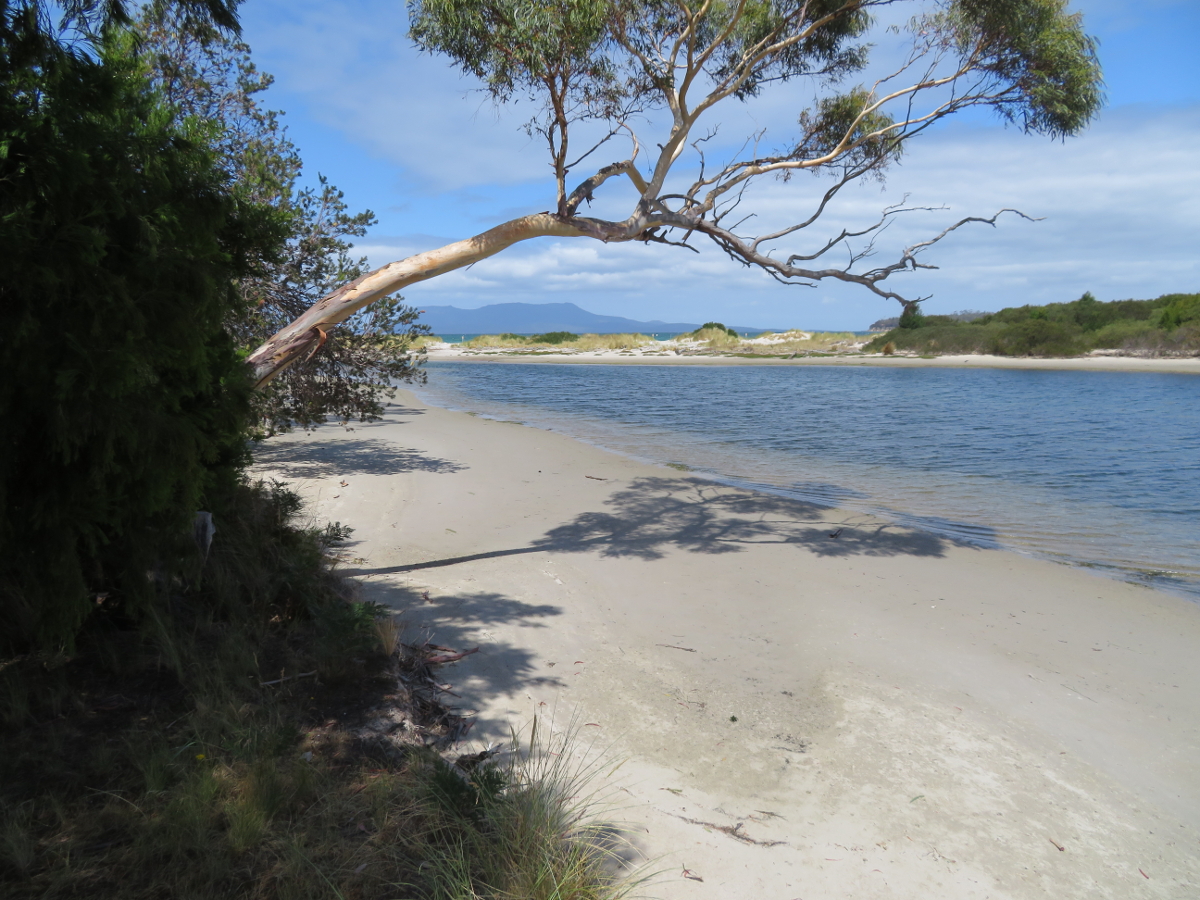
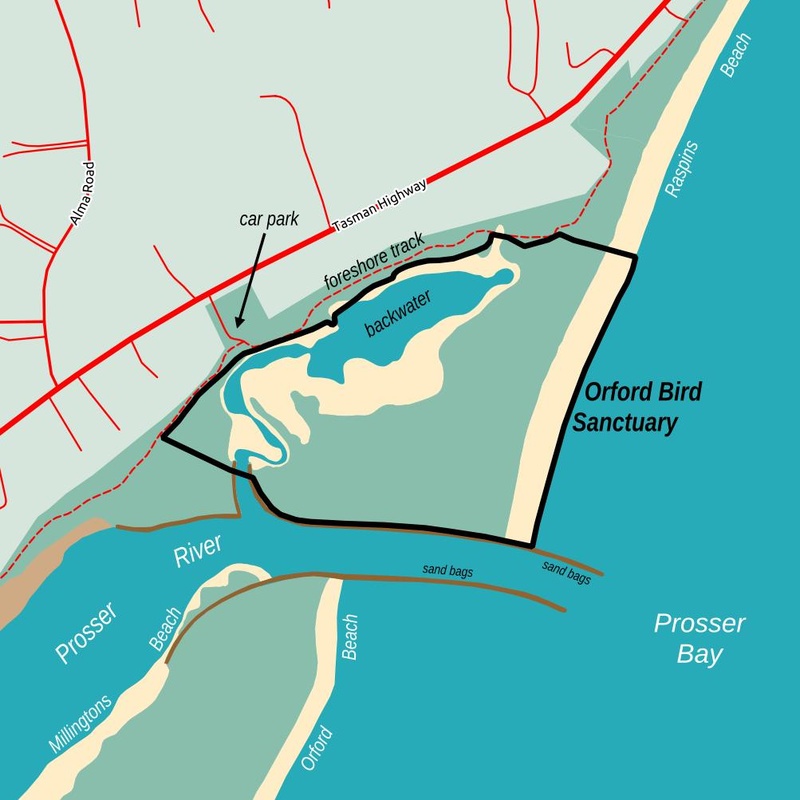
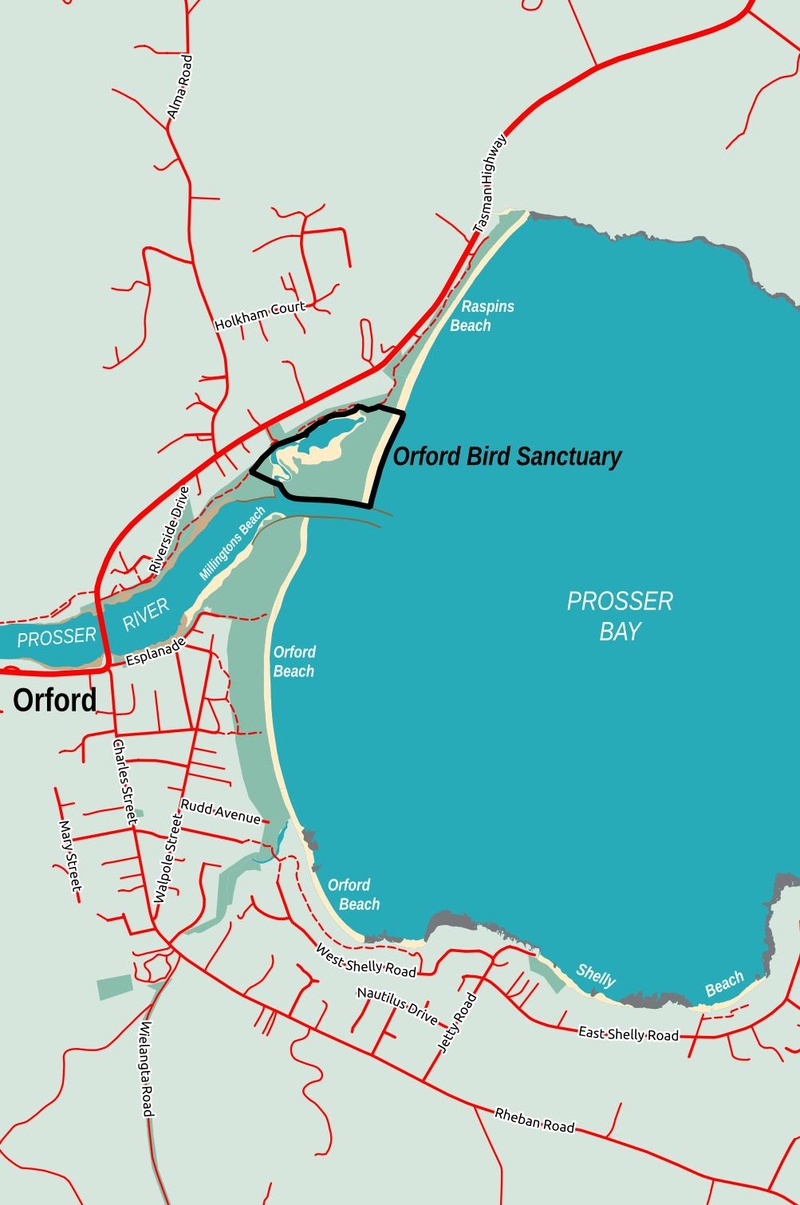
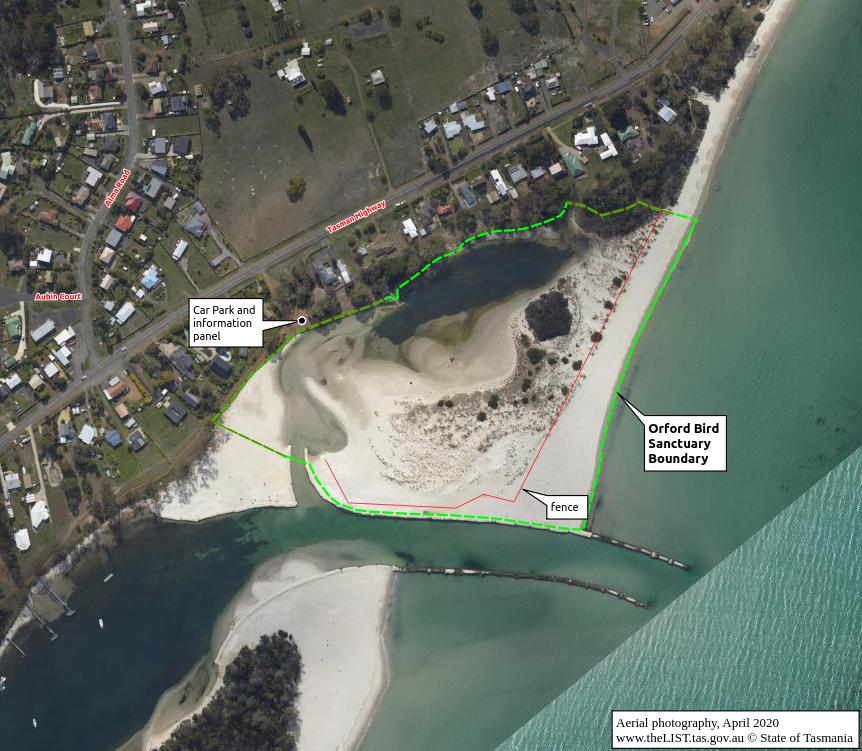
The Orford Bird Sanctuary is a sandspit and lagoon near the mouth of the Prosser River in the town of Orford on the east coast of Tasmania. See maps below
It is home to a variety of shorebirds, permanent and migratory; including the Red-capped Plover, Red-necked Stint, Caspian Tern, Pied Oystercatcher and Australian Pelican, as well as threatened species such as the Hooded Plover and Fairy Tern. Over 20 species of shorebirds have been sighted in the sanctuary.
The sanctuary was originally developed by the Glamorgan Spring Bay Council’s then Natural Resource Management team in collaboration with the Parks & Wildlife Service, Dr Eric Woehler (then Convenor of Birdlife Tasmania), the Orford Community Group and the Orford Primary School.
The sandspit in the Orford Bird Sanctuary is internationally recognised as an Important Bird Area (IBA) by Birdlife International, and a Key Biodiversity Area (KBA).
Important Shorebird Breeding Area
Fairy Terns, Hooded Plovers, Pied Oystercatchers and Red-capped Plovers breed at the Orford Bird Sanctuary.
In Australia the Fairy Tern is listed as "Vulnerable" by the International Union for Conservation of Nature and "Endangered" by BirdLife Australia, while the Hooded Plover is listed as "Vulnerable".
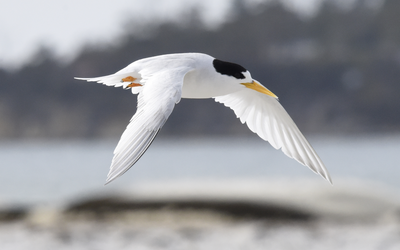
The Sanctuary is one of the most southern breeding colonies for the vulnerable Fairy Tern. Here the breeding season for the Fairy Tern occurs over the summer months, usually from December through to late February, with the chicks being fully fledged by mid to late February.
Breeding occured here over the last two breeding seasons, 2024-25 and 2023-24, although storm surges disrupted 2024-25 season requiring the breeding colony to move slightly but still staying within the Sanctuary.
A comprehensive count wasn't possible for the 2024-25 season, however, 12 chicks were observed and at least 44 adults had been counted at one time in the colony.
For the 2023-24 season 16 chicks were confirmed as fully fledged by mid February, while an estimate of 50 adult birds had been in the colony.
Fairy Terns don't always attempt to breed at the Orford Bird Sanctuary, however some birds visit every year from October through to December to assess the viability of the site for a breeding colony.
The 2019-20 breeding season at this Sanctuary had been the most successful season for more than a decade prior with 20 chicks and 14 fledged juveniles at the colony in early February 2020. This was significant as there are less than 100 breeding pairs across the Tasmanian mainland, King Island and Flinders Island.
Hooded Plovers, Pied Oystercatchers and Red-Capped Plovers attempt to breed here every season from the beginning of October through to the end of March!
These birds, particularly the Hooded Plover, face increasing pressure to successfully breed on mainland Australia, making Tasmania and the Orford Bird Sanctuary of great importance in enabling these species to survive!
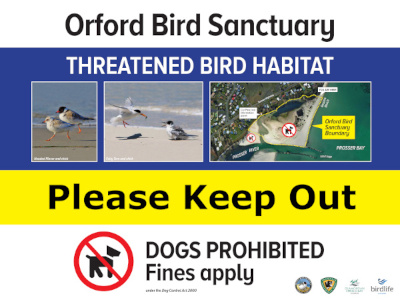
The breeding season means extra challenges and dangers for shorebirds, particularly as the birds here nest in shallow scrapes in the sand. These are:
- Eggs overheating or freezing because the parents are too busy responding to disturbance to incubate them.
- Chicks starving because they don't get enough undisturbed time to feed near the waters edge.
- Chicks dying from exposure in harsh temperatures because the parents spend too much time responding to disturbance.
- Predators eating egss or chicks.
- Most common disturbances are people being within 100 metres of nesting sites and predators like dogs, cats, or larger birds like gulls, ravens, etc.
For these reasons people should always obey the signage and stay out of the sanctuary including the beach areas, particularly from the 1st October through to 31st March.
The Orford Bird Sancturay is a Dog Prohibited Area at all times of the year.
The Dog Management Policy for the Glamorgan Spring Bay Municipality is currently under review, so the 2014-2019 policy is still applicable.
- Dog Management Policy 2014-2019
- Map of Dog Declared Zones from Orford to Stapelton Beach
- Map of Dog Declared Zones for Rheban Beach
Other Breeding Areas
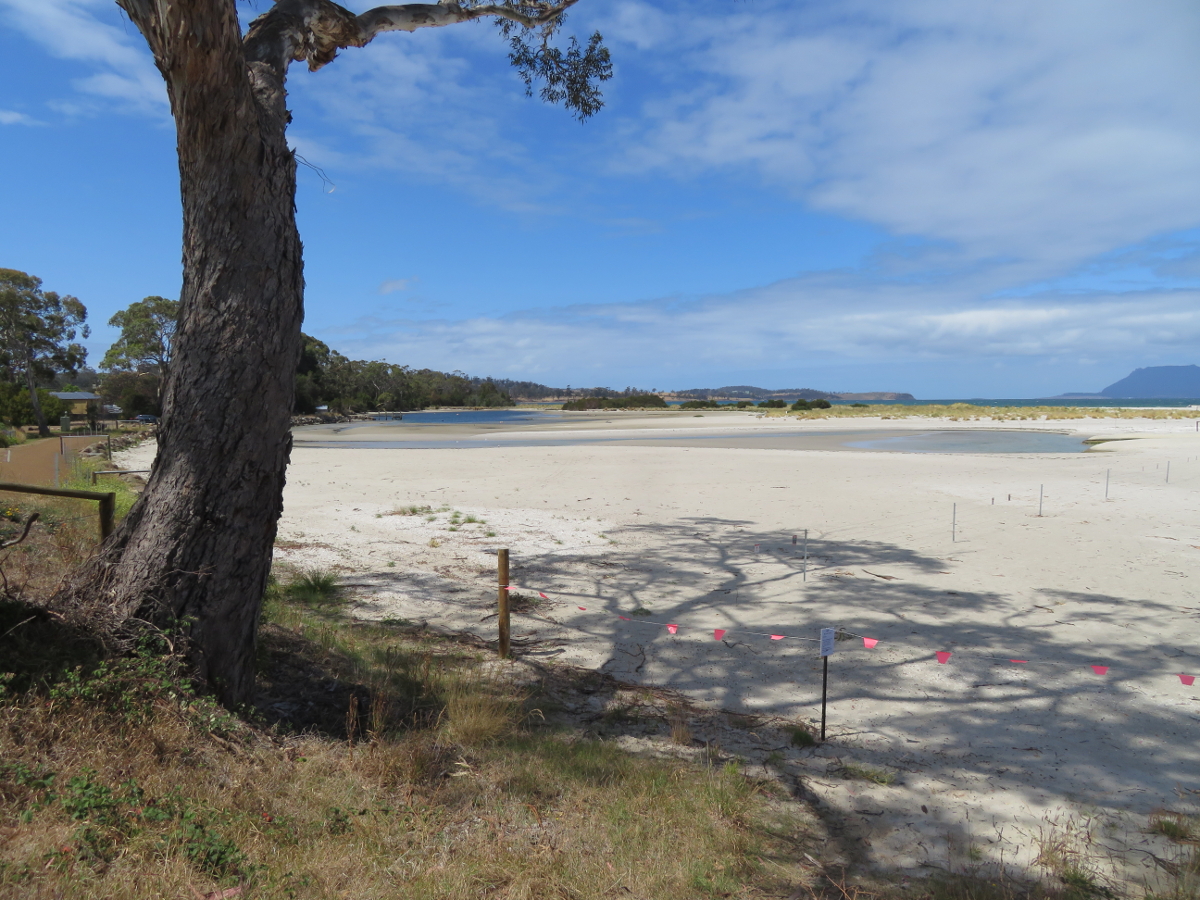
Shorebirds sometimes attempt to breed on other beaches in the Orford/Spring Bay area so please always follow dog regulations, obey signs (permanent and temporary), and stay well clear of nesting sites - these will often be indicated by some form of temporary fencing and/or signage.
Further information about shorebird breeding and nesting can be found via these links:
- BirdLife Australia website: sharing-the-shore-with-our-beach-nesting-birds
- BirdLife Australia YouTube video: Beach-nesting Birds Project
- NRM South and Birdlife Tas video: Giving space to our beach nesting shorebirds - 3 easy tips!
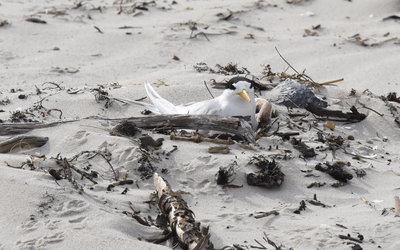
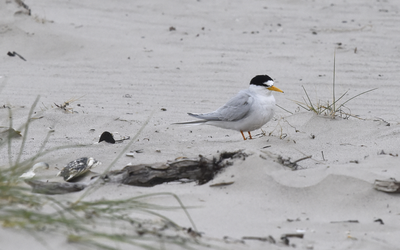 Little Tern © Eric J Woehler
 Fairy Tern © Eric J Woehler
 Fairy Tern © Eric J Woehler
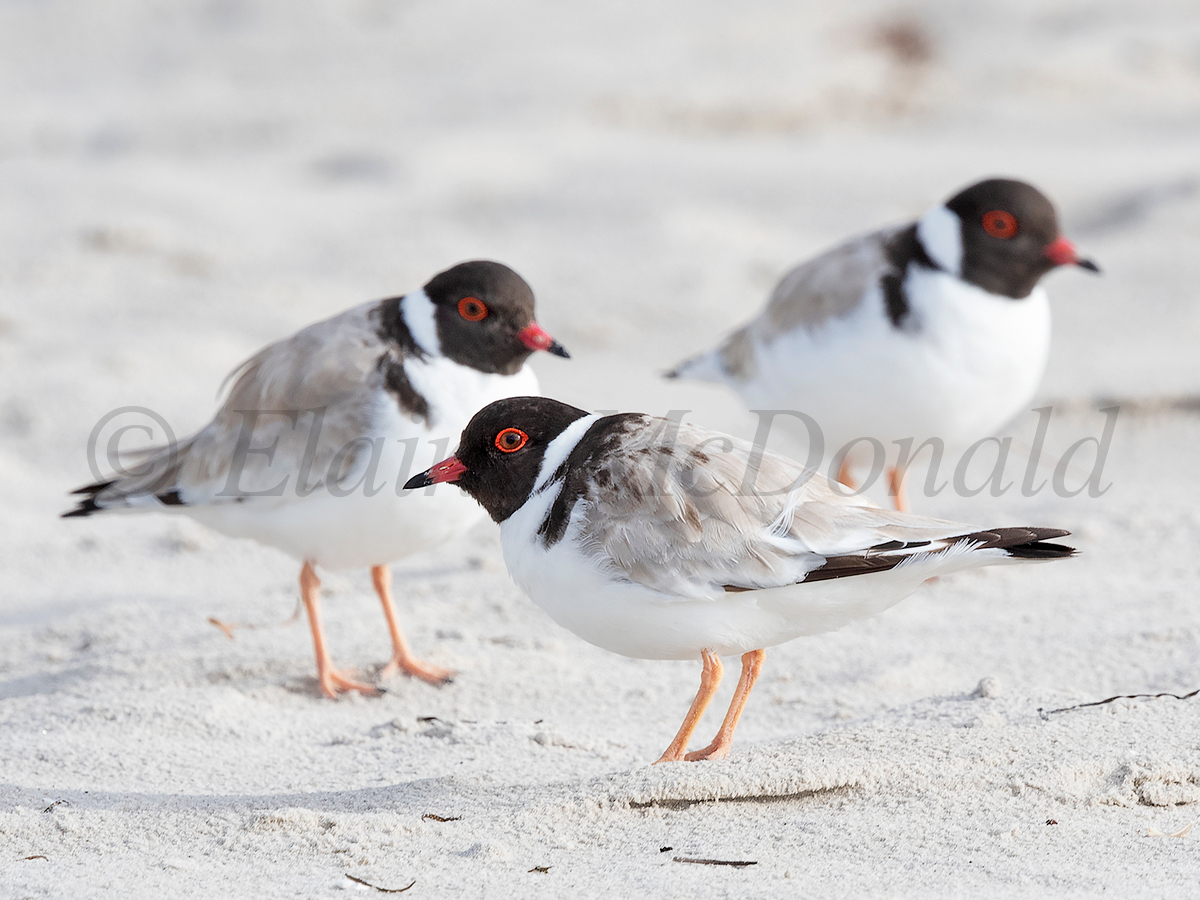 Hooded Plovers - January 2020
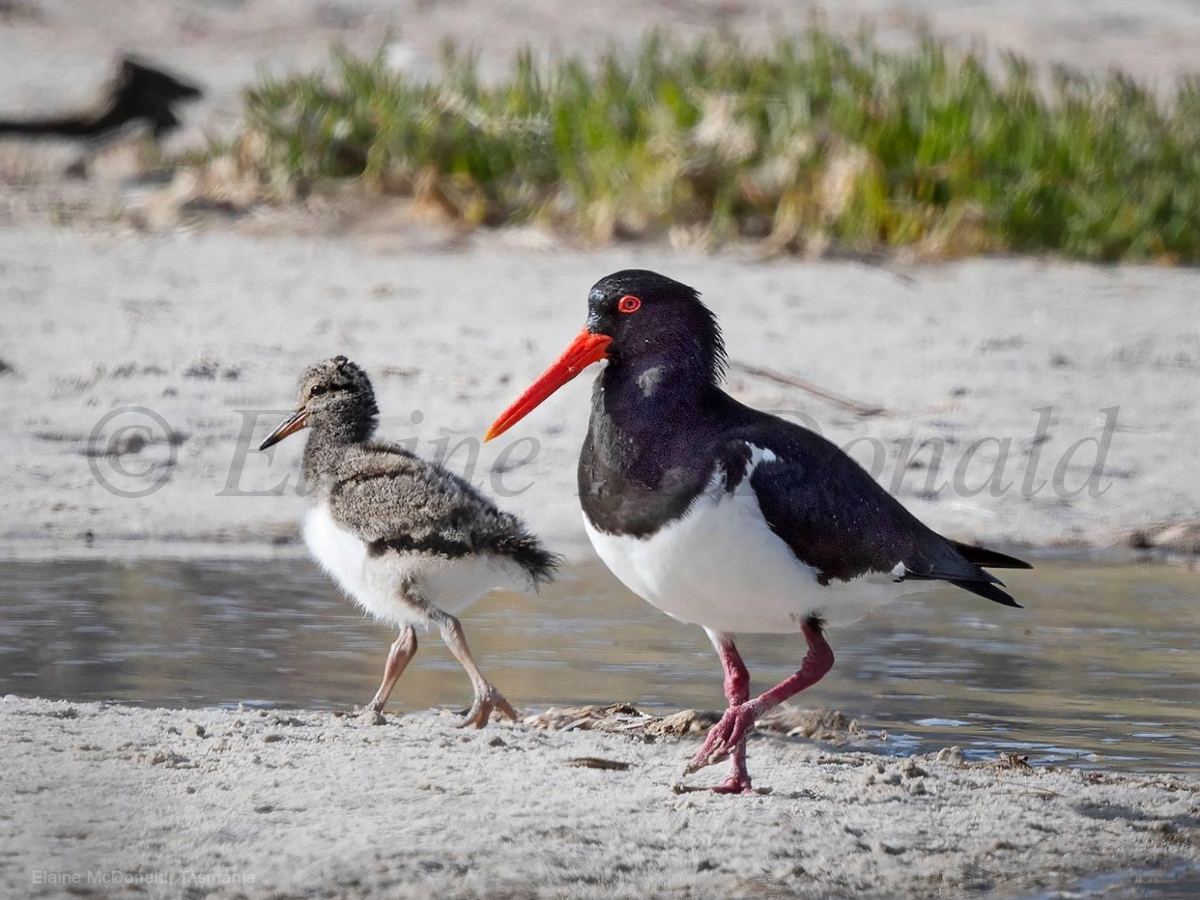 Pied Oystercatcher and juvenile - January 2021
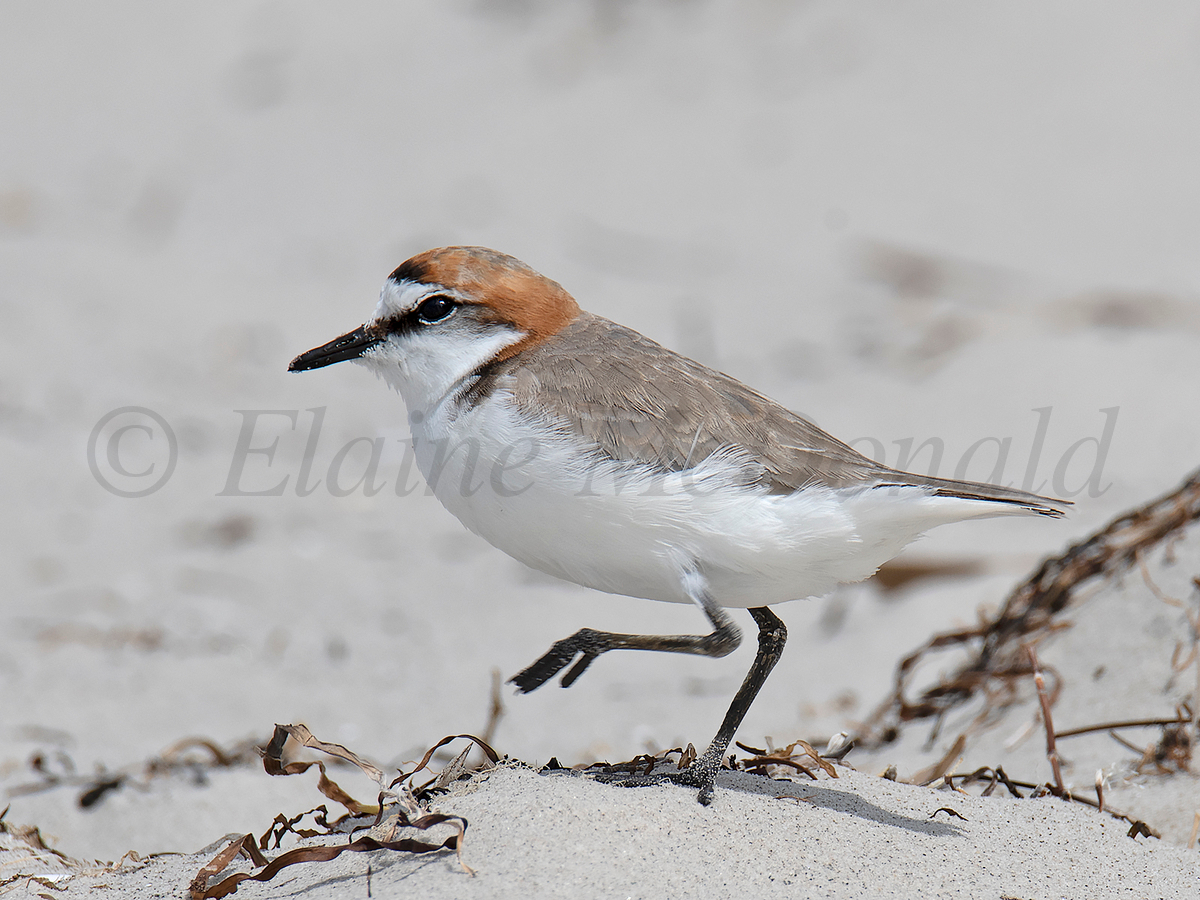 Red Capped Plover - 2020
Locality Maps
Observations by Rob Kelly
A visit to the Orford Bird Sanctuary is to visit a different place every time you venture there. The shifting nature of the water, sand, sea and sky creates new experiences in a continuously changing habitat. The many birds that call this place their own also keep appearing and disappearing, moving about in a constant kaleidoscope of shapes, sizes, colours and behaviour. You can watch at your leisure from a safe distance, and learn more about birds in this one location than in many other similar beach settings.
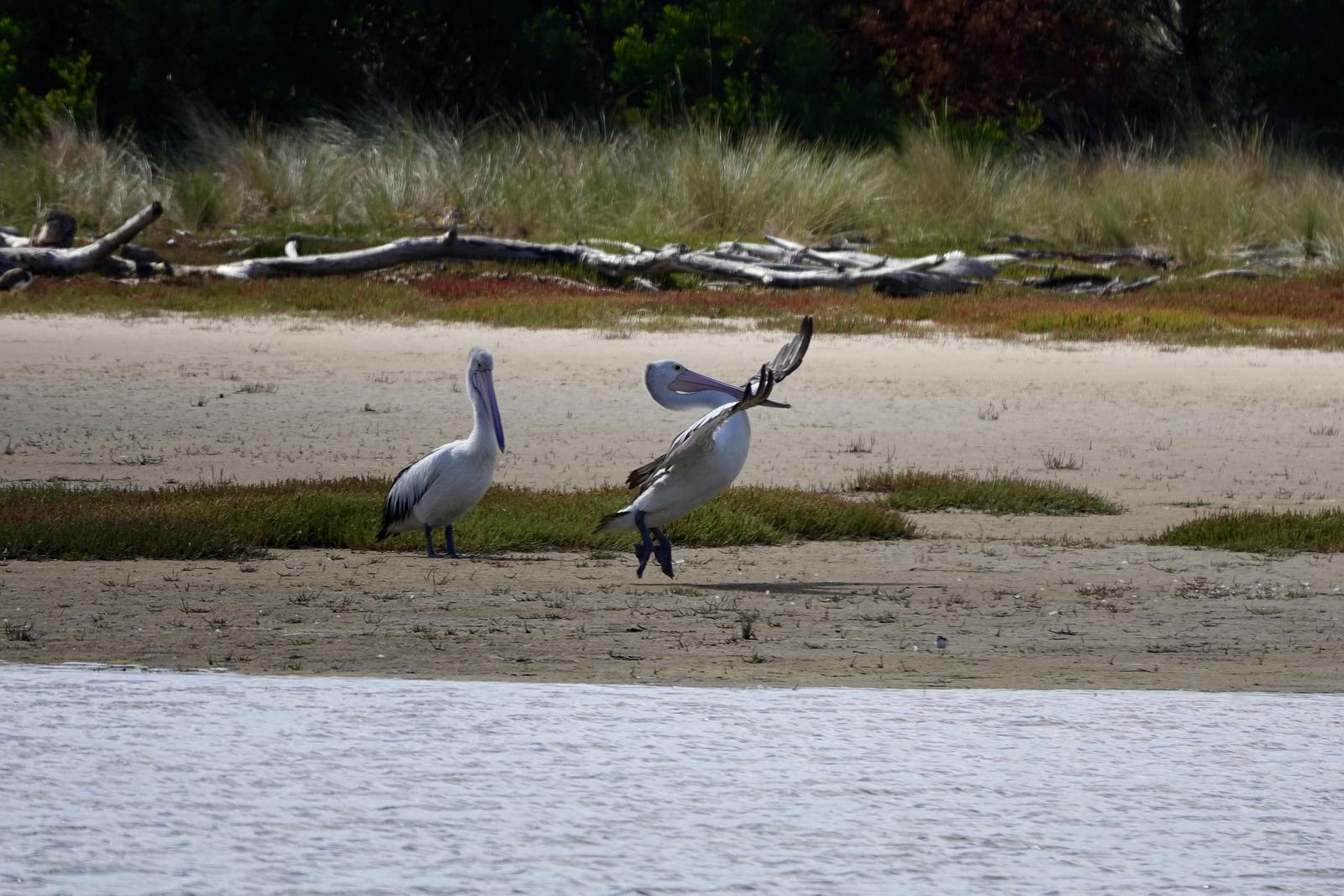
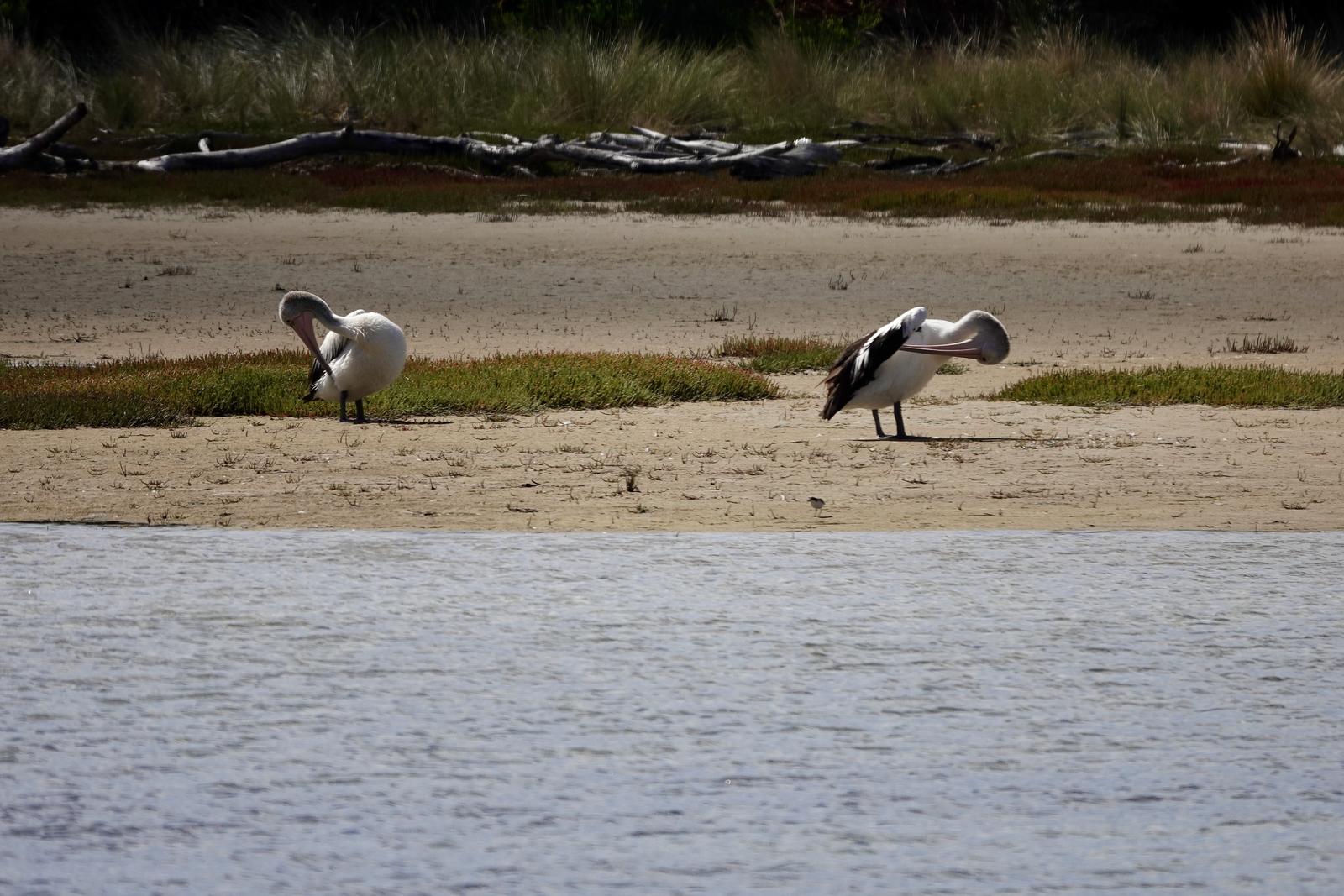
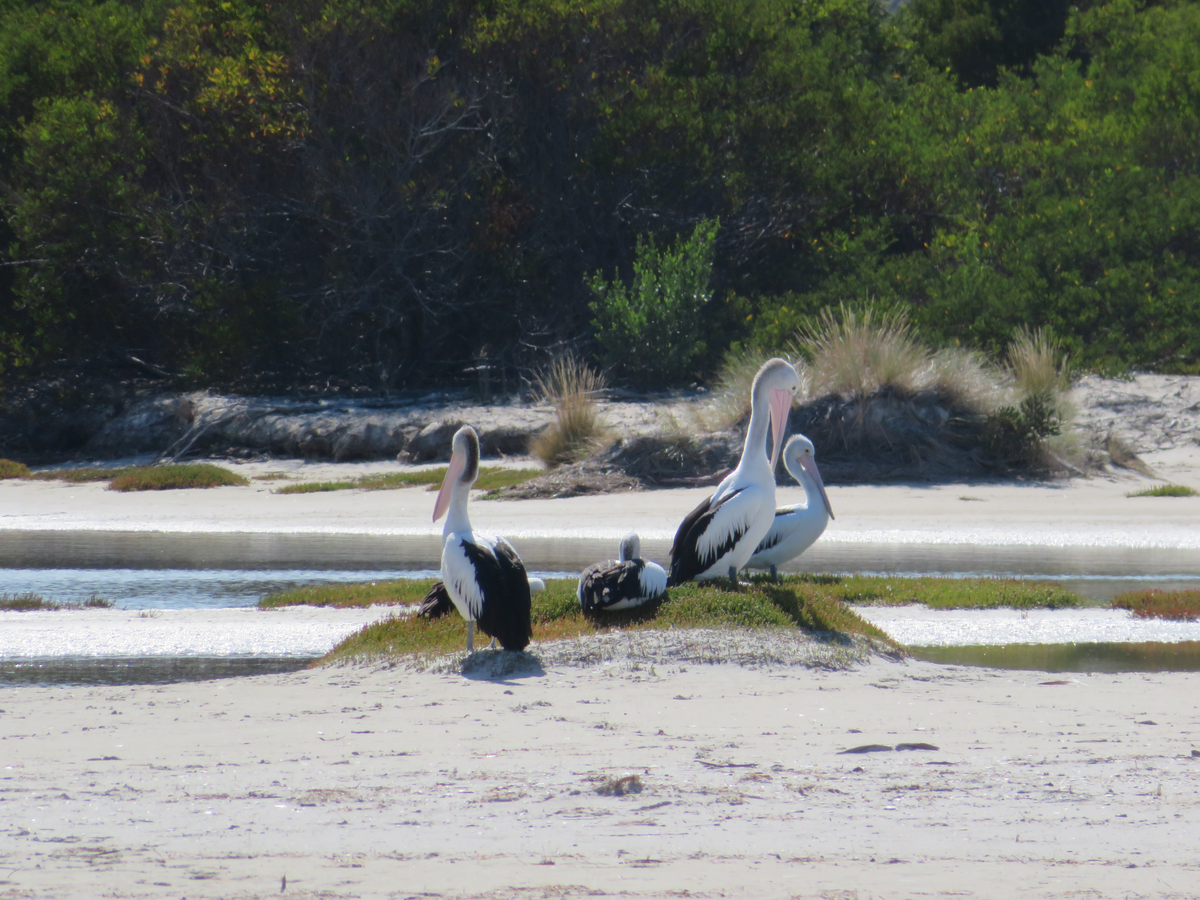
Without binoculars you can see plenty of bird life, but with binoculars you can see even more birds, and a lot more detail to help identify them and follow their activities. The biggest birds and the easiest to see, of course, are the graceful pelicans that frequent the lagoon. They love to scoop fish and crustaceans out of these rich feeding grounds that are replenished regularly by the tides. The most peaceful sight presents when a small flock of pelicans rest quietly on the sand in their classic poses, the sun glinting off their brilliant white plumage.
As you move along the bushy pathways surrounding the Sanctuary, your eyes become accustomed to the bird movements along the edges of the water. A flash of grey draws you to the graceful, steady pose of a white faced heron. These lone birds are almost year round residents and quietly hunt small fish, crabs and shrimp in the shallows. They are a study in patience as they suddenly strike downwards rapidly to retrieve a silvery fish into their sharp beaks.
The other keen fishers are the pied and black cormorants that are either skimming over the top of the water at great speed or swimming with only their long snake like necks protruding into the air. They can stay under the surface for long periods of time and spend a lot of time fishing. Otherwise, these ungainly looking birds, when on dry land, can be seen standing on a rock or the little jetty with their wide wings outspread (hanging out their washing to dry).
Beside the occasional sea eagle that can be spotted flying high over the Sanctuary, these bigger birds are surrounded by many other species of greater and lesser sizes, some migrants from the northern hemisphere even attracted here in the warmer months, for example, red necked stints. The local birds that tend to be seen here regularly are pied oystercatchers and masked plovers, as well as seagulls and pacific and kelp gulls.
Breeding season brings many changes and unusual bird activities and arrivals. This special place with its rich supply of food and diverse seaside habitat is a paradise for birdlife, as well as humans. The need to protect its attributes has become paramount in a diminishing safe and unspoilt environment worldwide for wildlife.
Pied oystercatchers and masked lapwings endeavour to raise their chicks here every year. Red capped plovers are sometimes also successful when human or animal disturbance has not occurred. These fast moving sand dwellers are a delight to watch as they dart about looking for food as the waves recede backwards and forwards on the ocean foreshore.
Hooded plovers with their distinctive black head are becoming rarer, but they make their home here and attempt to breed at the sanctuary every year. It is a real thrill to see their little chicks appear and follow the parents around learning the ways of foraging for food. Nesting in the open on small depressions in the sand makes them particularly vulnerable to predators or just wandering humans or animals.
Scanning the quiet waters of the Sanctuary, this is where many birds spend a great deal of their time either cruising around on the surface or under the water hunting their prey. Some are incredibly swift when they dive and rapidly swim through the water as fast as fish. Spy out a pied cormorant and count the seconds after it dives to the time its long neck rears out of the water again, usually quite a long distance away from where it disappeared.
Chestnut teal, black ducks and little grebes are frequent visitors to the Sanctuary, often floating around in small groups. Almost all year round these graceful waterbirds frequent the backwater, but a pair of chestnut teal can be occasionally caught catching the small wavelets on Raspins Beach.
These floating birds are occasionally joined by a regal black swan, but rarely staying for any length of time. The size of this Sanctuary is not conducive to the feeding needs of these big birds that need masses of weed beds to sate their appetite. The smaller birds predominate both for food, protection and suitable nesting sites.
As the spring approaches, the most exciting and precious bird event of the year transpires: the return of the fairy terns. They can arrive in large numbers and choose to breed here if the conditions are right. This phenomenon is the strongest and single most justification for the protection and careful maintenance of this precious habitat on this part of the east coast of Tasmania.
The first arrivals are more likely to be sighted around October, perhaps assessing the conditions for their nesting. They can come and go for a while, then, as in past years, the females begin to lay their eggs in the sand in large numbers. Over this breeding period, these slim lined, elegant birds are a feature of the Sanctuary, dive bombing like darts, headlong into the lagoon or seafront and fetching up a small, wriggling silver bellied fish into their beak. A sight to behold, they are as brilliant a spectacle as watching the larger Australasian gannets dive bombing out at sea. Here they are performing their spectacular hunting skills right on our doorstep.
The more common and larger crested terns, in smaller numbers, are regular inhabitants of this area as well, and like to roost on the sandbags lining the entrance to the Prosser River. They are also brilliant aerial hunters.
Turn your gaze away from the waters of the Sanctuary and look around you at the surrounding bushland and coastal vegetation. Here is another wonderland of birds. Many bush birds frequent these remnants of native flora and as you wind through the track along this coastal gem, bird song will serenade you. Flashes of colour will catch your eye as green rosellas or musk lorikeets dive in and out of the foliage. Beautiful eastern rosellas are also common here and can be seen feeding along the grassy verges. They are not afraid and continue their foraging as you pass by.
Besides the ever present raucous brush wattlebirds, there are times in cooler months when the much bigger yellow wattlebirds visit the east coast. Endemic to Tasmania, these slow moving birds send out a loud, distinctive call, and are easily identified by the long yellow pendant wattles hanging from their cheeks.
The nectar flowing from the many silver banksias lining the path and the blossoms of the magnificent old blue gums found along this foreshore, attract honeyeaters of all sizes as well as insectivorous birds. Small flocks of brown thornbills come and go, as well as new holland honeyeaters, yellow throated honeyeaters, and the inquisitive grey fantail can make an appearance. The discovery of different species at different times of the year makes this coastal habitat a constant source of enjoyment and interest, as well as providing a rich and diverse environment for birdlife.